

As the core connection standard of modern electronic devices, Type-C interface has higher requirements for electromagnetic compatibility (EMI) due to its high-speed transmission and high-power charging capability. With the increase of data transmission rate, the electromagnetic radiation problem of Type-C interface under high-frequency signals is becoming increasingly prominent, which may interfere with other electronic devices and even affect its own stability. To address this challenge, the industry has proposed an EMI optimization solution of "3-layer shielding+ferrite magnetic ring", providing an innovative path for the reliability of Type-C interfaces.
The EMI problem of Type-C interface mainly stems from the fast switching of high-frequency signals and current fluctuations. Under USB 3.2 or Thunderbolt 4 protocols, the operating frequency of Type-C interface can reach tens of GHz, and crosstalk and common mode noise between signal lines are easily radiated to the external environment through cables. The traditional single-layer shielding design is difficult to completely suppress high-frequency radiation, while the "3-layer shielding" scheme significantly improves shielding effectiveness through a multi-layer isolation structure. The first layer of shielding covers the outer layer of the cable, blocking external interference; The second layer wraps the internal wire pairs to reduce signal crosstalk; The third layer provides independent shielding for power lines to prevent magnetic field leakage caused by high currents. This layered design gradually blocks the propagation path of electromagnetic radiation, reducing the EMI index of Type-C interface by more than 40%.
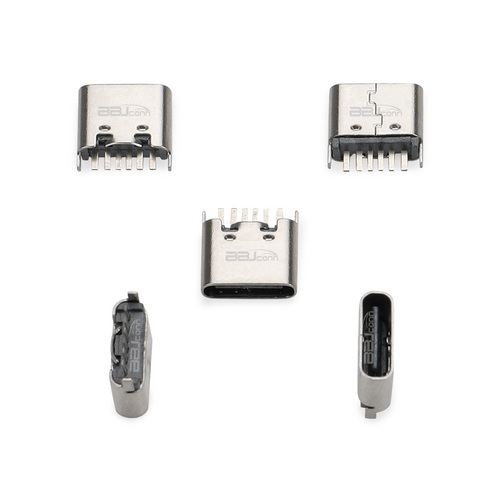
The shielding effectiveness of Type-C interface needs to be further optimized by combining with ferrite magnetic rings. Ferrite magnetic rings are integrated into interface terminals or cables to suppress common mode noise through their high-frequency impedance characteristics. When high-frequency current passes through the Type-C interface, the magnetic ring absorbs electromagnetic energy in a specific frequency band and converts it into thermal energy for dissipation. For example, in the range of 10MHz to 1GHz, ferrite magnetic rings can attenuate common mode interference by more than 20dB. This dual mechanism of "active absorption+passive shielding" enables the Type-C interface to maintain a stable electromagnetic environment even during high-speed transmission above 5Gbps.
The 3-layer shielding design of Type-C interface poses higher requirements for manufacturing processes. Each layer of shielding material needs to balance conductivity and flexibility, such as using a combination of aluminum foil Maillard layer, woven copper mesh, and polymer composite material. The aluminum foil layer provides basic shielding, the copper mesh enhances structural strength and expands shielding coverage, while the polymer material ensures the bending life of the cable. At the same time, the selection of ferrite magnetic rings needs to accurately match the operating frequency of the Type-C interface to avoid a decrease in filtering effect due to impedance mismatch. This refined design enables the Type-C interface to meet both the 40Gbps transmission requirements of USB4 and pass strict electromagnetic certification tests such as FCC and CE.
The EMI optimization solution for Type-C interface is driving the upgrade of industry standards. The International Electrotechnical Commission (IEC) has included multi-layer shielding in the new version of the USB cable design guidelines, and the application of ferrite magnetic rings has also been included in the recommended specifications for some high-speed connectors. In the field of consumer electronics, manufacturers such as Apple and Samsung have adopted similar solutions in the Type-C interface of their flagship devices; In industrial scenarios, the vehicle mounted Type-C interface successfully addresses the electromagnetic interference challenge of high-voltage systems in electric vehicles through a "3-layer shielding+dual magnetic ring" design. These practices have shown that this solution not only enhances user experience, but can also be extended to more demanding application environments.
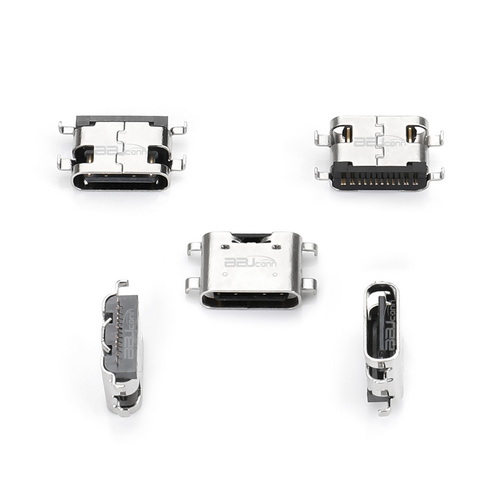
The EMI control technology of Type-C interface will develop towards integration and intelligence in the future. With the introduction of new technologies such as silicone encapsulation shielding layers and nano magnetic materials, the shielding structure of Type-C interfaces may further become thinner and lighter while maintaining or even improving performance. In addition, the intelligent magnetic ring can adapt to the noise suppression requirements of different frequency bands by dynamically adjusting its impedance characteristics. This technological evolution will enable the Type-C interface to continuously meet the stringent EMI requirements of 6G communication and AI computing devices for high-speed connectors while maintaining a compact size. Through material innovation and design optimization, the Type-C interface will continue to consolidate its leading position as a universal connectivity standard.